

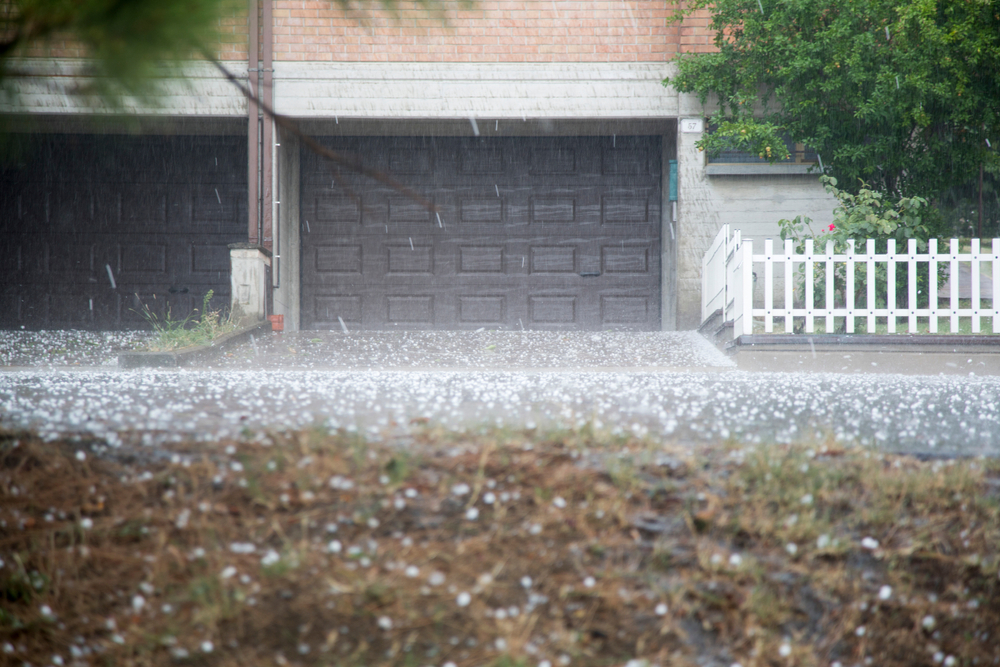
Lynchburg homeowners experience a full range of weather throughout the year. While these seasonal shifts make the area beautiful, they can also take a toll on your home’s exterior features, especially your garage door. Many homeowners don’t realize just how much weather impacts their garage door’s functionality, lifespan, and efficiency until problems begin to appear. But if you’re already thinking about how the weather affects your garage door, you’re ahead of the curve.
Below, we’ll explore exactly how Lynchburg, VA, weather affects garage doors and what you can do to protect yours from issues caused by humidity, extreme temperatures, and storms.
How Heat Impacts Garage Door Materials and Components
Lynchburg summers are known for their heat, and these conditions can have a noticeable impact on your garage door over time.
Material Expansion
One of the biggest concerns during warmer months is material expansion. Garage doors, especially those made of wood, naturally expand when exposed to heat and moisture. This can cause the door to warp slightly, leading to alignment issues that make it harder to open and close smoothly. Even steel doors can be affected, as heat can cause components like tracks and springs to expand, altering how the system operates. If you want to protect your garage door from expansion-contraction temperatures, invest in routine maintenance.
Strained Motors and Electronics
The intense heat inside a closed garage can cause the motor in your garage door opener to overheat. When the opener has to struggle against a door that is heavy due to warping, it puts even more strain on the motor. This can lead to premature failure and the need for a costly replacement.
How Humidity Affects Garage Doors in Lynchburg
Humidity also plays a significant role in long-term wear and tear during the summer months. Excess moisture in the air can lead to:
- Rust and corrosion on metal parts, like springs, hinges, and rollers
- Swelling and rotting in wooden garage doors
- Degradation of seals and weather stripping, which reduces energy efficiency
- Failure of electrical components in the garage door opener
Over time, these issues can compromise your garage door’s reliability and safety. That’s why it’s important to monitor how your door performs during the summer and address small issues before they become costly repairs.
The Impact of Cold Temperatures on Garage Door Operation
When winter arrives in Lynchburg, dropping temperatures can create a completely different set of challenges for your garage door system.
Some of the most common garage door winter problems in Virginia include:
- Material Contraction: Cold weather can cause metal components to contract, which may affect the tension of springs and the alignment of tracks. This can result in a garage door that feels heavier than usual or struggles to open and close properly. In some cases, the opener may have to work harder than it should, putting unnecessary strain on the motor.
- Thickened Lubricants: Many standard lubricants thicken in cold temperatures, which can lead to stiff or sluggish movement in rollers, hinges, and bearings. If your garage door suddenly starts making unusual noises or moves more slowly during colder months, thickened lubrication could be the culprit.
- Freezing to the Ground: Moisture can freeze along the base of the door, causing it to stick to the ground. Attempting to force the door open in this condition can tear the weather seal, damage the opener, or even warp the door panels.
- Brittle Components: Extreme cold can make materials more brittle. This applies to metal, plastic, and rubber components alike.
How Rain, Wind, and Storms Can Lead to Damage
Lynchburg is no stranger to heavy rain, strong winds, and seasonal storms. While your garage door is built to withstand the elements, repeated exposure to severe weather can still cause damage over time.
- Water Damage and Wood Rot: For homeowners with wooden garage doors, rain is a constant concern. If the door isn’t properly sealed and painted, water can seep into the wood, leading to rot, mold, and warping. Even for metal or composite doors, water can find its way into the garage, potentially damaging the contents of your garage or even the internal mechanisms of the opener if it seeps into the wrong places.
- Wind Damage: High winds can put immense pressure on a garage door. This pressure can cause the door to bow or, in extreme cases, be blown off its tracks.
- Debris and Impact: Storms often cause debris to fly around, and a direct impact on your garage door can cause dents, scratches, cracks, or even break the panels, compromising both the security and aesthetics of your home.
- Sensor Issues: Heavy rain and wind can sometimes interfere with your garage door’s safety sensors.
Seasonal Maintenance Tips to Protect Your Garage Door
The good news is that you don’t have to leave your garage door’s condition up to chance. With regular maintenance and a few proactive steps, you can protect your system from Lynchburg’s ever-changing weather.
1. Inspect and Clean Regularly
Make it a habit to visually inspect your garage door every season. Look for signs of rust, wear, or damage to components like springs, cables, and rollers. Cleaning the door’s surface and tracks is also a good garage door rust prevention step.
2. Lubricate Moving Parts
Apply a high-quality, weather-resistant lubricant to hinges, rollers, and springs. This helps reduce friction and ensures smooth operation, even during temperature fluctuations.
3. Check Weather Seals and Insulation
Your garage door’s seals play a crucial role in keeping out moisture and maintaining energy efficiency. If you have worn or cracked seals, call our team at DoorTek Garage Door Service for a weather seal replacement. This will help prevent water intrusion and drafts.
4. Tighten Hardware
Temperature changes can cause hardware to loosen over time. Periodically check and tighten bolts, brackets, and screws to keep your system secure.
5. Test the Door’s Balance and Opener
An unbalanced garage door can strain your opener and lead to premature wear. If your door doesn’t stay in place when partially open, it may need adjustment by a professional.
6. Schedule Professional Inspections
While DIY maintenance is helpful, professional inspections ensure that no underlying issues go unnoticed. Experts can identify early signs of weather-related damage and provide targeted garage door maintenance.
Let Us Protect Your Garage Door in Every Season
Lynchburg’s weather brings a variety of challenges, but with the right care, your garage door can withstand it all. Turn to the experts at DoorTek Garage Door Service for support. We understand how local weather conditions impact garage doors and can provide maintenance and repairs tailored specifically to Lynchburg’s climate. In this way, we keep your garage door operating safely, efficiently, and reliably in every season.
So, don’t wait for small problems to turn into major garage door panel repairs or opener repairs. Instead, remain proactive and contact our team for professional service that keeps your garage door protected, no matter what the weather brings.