

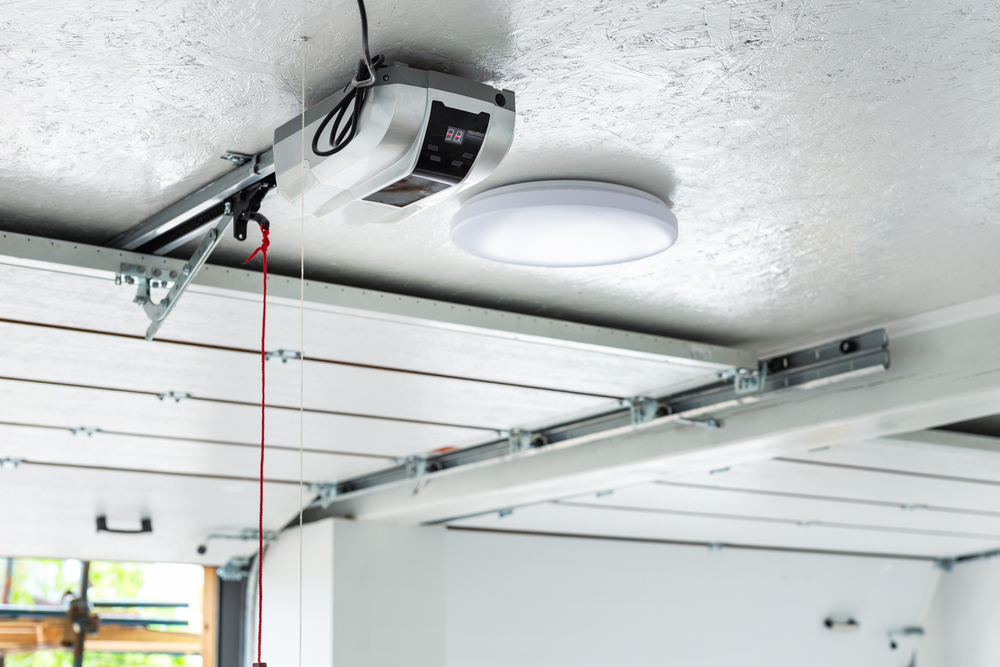
On average, a garage door opens and closes about 1,000 to 1,500 times a year. Clearly, it’s a powerful workhorse. Despite this, it’s often the most overlooked piece of technology in the entire house. We simply expect it to work every single time we hit the button. However, like any mechanical device composed of gears, motors, and electronics, your garage door opener has a finite lifespan.
Understanding how long your opener should last (and knowing the warning signs of a pending failure) can save you from the massive headache of a car trapped in the garage on a Monday morning or an unexpected repair bill. In this guide, we’ll break down everything you need to know about the longevity of your garage door opener and how to keep it running smoothly for years to come.
The Average Lifespan of a Garage Door Opener
On average, most garage door openers last 10 to 15 years. However, this range can vary depending on several important factors, including the type of opener, how often it’s used, and how well it’s maintained over time.
Usage Plays a Major Role
One of the biggest influences on an opener’s lifespan is how frequently it’s used. A household with a single vehicle may open and close the garage door four times a day, while a busy family with multiple drivers could double or even triple that number. The more cycles your opener performs each day, the faster its internal components wear down.
Opener Type Matters
Not all garage door openers are built the same. Some types are naturally more durable and longer-lasting than others:
- Chain-drive openers are strong and affordable but tend to experience more wear due to metal-on-metal movement.
- Belt-drive openers operate more smoothly and quietly, often experiencing less strain over time.
- Screw-drive openers have fewer moving parts but can be sensitive to temperature changes and require proper lubrication.
- Direct-drive openers are known for longevity because they have fewer components that wear out.
Each design has its strengths, but no opener is immune to aging.
Environmental Conditions Affect Longevity
Garage door openers are affected by their surroundings, and extreme temperatures, humidity, dust, and lack of insulation can all shorten an opener’s lifespan. This is because motors have to work harder in cold weather, and excessive heat can degrade internal electronics over time.
Don’t Forget About Technological Advancements
Even if an opener is still functioning, technological advancements may make older units less practical. Newer models offer improved safety features, quieter operation, smartphone connectivity, and better security. For many homeowners, replacement becomes a smart choice before a complete failure occurs.
Common Signs Your Garage Door Opener Is Failing
Garage door openers rarely fail without warning. In most cases, they give off subtle — and sometimes not so subtle — signals that something isn’t right. Recognizing these signs early can prevent a total breakdown and help you decide whether repair or replacement is the best option.
Unusual Noises During Operation
If your garage door opener suddenly starts making grinding, rattling, or squealing noises, it’s often a sign that internal components are wearing out. While some noise is normal, especially with older chain-drive systems, a noticeable increase or change in sound should never be ignored.
Slow or Inconsistent Movement
As motors age, they lose their efficiency. If you feel like you could walk to the end of the driveway and back in the time it takes for your door to fully retract, the motor is likely on its last legs.
Intermittent Operation
Does your door start to open and then suddenly reverse for no reason? Or do you have to press the remote four or five times before it responds? While this can sometimes be a simple battery issue in the remote, it often points to a failing logic board (the “brain” of the opener), which can be affected by power surges or age.
Excessive Vibrations
Shaking or vibrating during operation can signal loose components, worn mounting hardware, or internal motor problems. Over time, excessive vibration can accelerate wear and cause additional damage to the opener and garage door system.
Increasing Repair Frequency
If you find yourself scheduling garage door opener repairs more often or dealing with recurring issues, your opener may be telling you it’s time for an upgrade. At a certain point, repeated repairs can become more expensive than investing in a new, reliable system.
How Homeowners Can Make Their Garage Door Opener Last Longer
While no garage door opener lasts forever, there are several steps homeowners can take to extend its lifespan and maintain dependable performance.
- Schedule Professional Maintenance: Routine garage door maintenance by a trained professional is one of the most effective ways to protect your opener. A professional can identify minor issues (such as worn gears, loose connections, or improper force settings) before they turn into costly repairs or safety hazards.
- Keep Moving Parts Properly Maintained: Lubrication plays a critical role in reducing friction and wear. While homeowners can apply lubricant to certain components, professional service ensures all moving parts are addressed correctly without over-lubricating or missing critical areas.
- Maintain the Entire Garage Door System: Your opener doesn’t work alone. Springs, rollers, tracks, and hinges all affect how hard the opener has to work. A door that’s out of balance or has worn hardware puts unnecessary strain on the opener’s motor, shortening its lifespan, so make sure you pay attention to every component on your door.
- Avoid Forcing the Door Open or Closed: Never try to force a garage door open or closed if it’s not responding correctly. Forcing operation can damage internal components and worsen existing problems. If something doesn’t feel right, it’s best to stop using the opener and call a professional for a garage door repair.
- Protect the Opener From Environmental Stress: Keeping your garage well-insulated and clean can reduce stress on your opener.
- Upgrade When Necessary: Sometimes, the best way to protect your garage system is knowing when to replace aging equipment. Upgrading to a modern opener before failure occurs can save you from being stuck with a non-functional door at the worst possible time.
Schedule Your Garage Door Opener Inspection Today
By addressing small issues early and understanding what to expect from your system’s lifespan, you can avoid sudden breakdowns and unnecessary stress. If your garage door opener is showing signs of wear or approaching the end of its expected lifespan, DoorTek Garage Door Service is here to help.
Contact our team today to schedule a professional opener inspection or discuss upgrade options. With expert care and trusted service, we’ll keep your garage door safe, reliable, and ready to support your daily routine for years to come.