
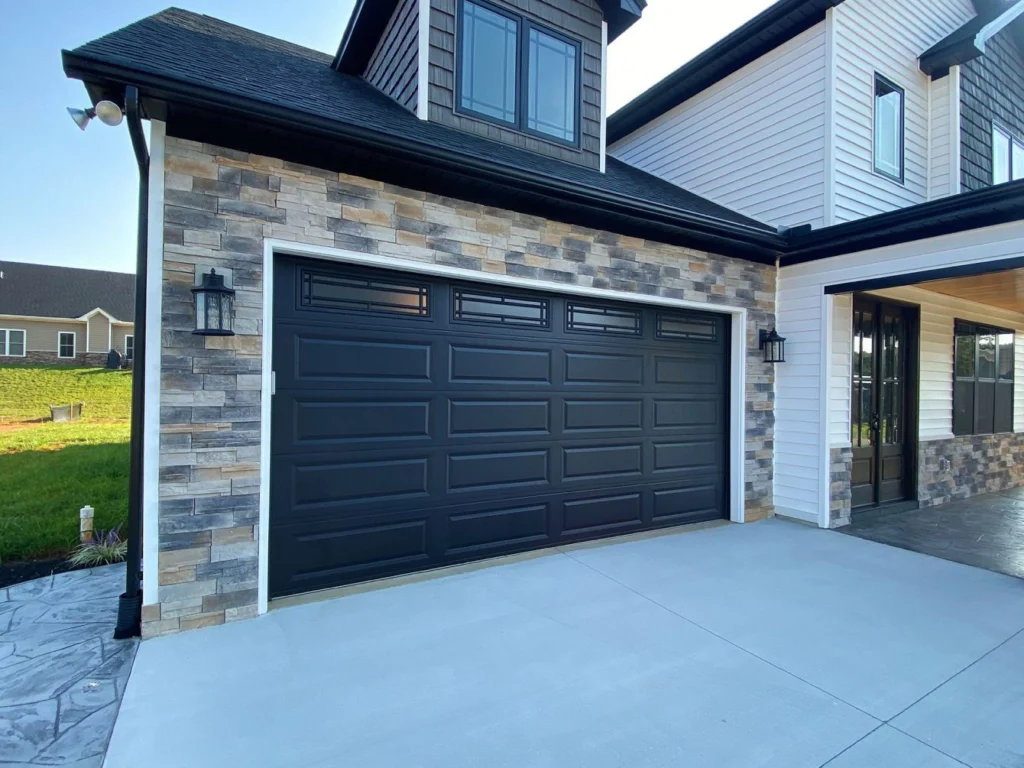
Is your garage door suddenly noisy, shaky, or getting stuck while opening and closing? If so, the issue may be worn or damaged garage door rollers. These small but essential components guide your door along the tracks, and when they begin to fail, you’ll feel it (and definitely hear it) every time your garage door moves.
Thankfully, homeowners don’t have to live with a loud, unreliable garage door. DoorTek Garage Door Service provides expert garage door roller repair in Lynchburg, VA, helping local families restore smooth, quiet operation as quickly as possible.
As a family-owned and operated company, we take pride in honest service, quality workmanship, and treating every customer like a neighbor. We’ll never pressure you into repairs you don’t need, and we’ll always explain your options clearly so you can feel confident about the work being done.
If your garage door is struggling, DoorTek is ready to help. Contact us today to schedule garage door roller repair in Lynchburg, VA.
Signs Your Garage Door Roller Is Broken
Garage door rollers may be small, but they have a big job. They support the door as it travels up and down the track, and they handle repeated movement multiple times a day. Over time, rollers can wear down, crack, bend, or seize, especially if the door is heavy or the rollers have gone years without maintenance.
But how do you know when it’s time to schedule a garage door roller service? Watch out for these tell-tale signs:
- Your Garage Door Is Getting Noisy: A garage door that suddenly starts squeaking, grinding, rattling, or screeching is often dealing with roller trouble. Worn rollers can create friction in the tracks, and damaged bearings may produce a loud, metal-on-metal sound.
- The Door Shakes or Jerks While Moving: If the garage door looks shaky or wobbly as it opens and closes, the rollers may not be gliding correctly. This can be caused by cracked wheels, bent stems, or rollers that are beginning to bind.
- The Door Gets Stuck or Moves Unevenly: Rollers that are failing can cause the door to catch or hang up in the track. You might notice the door hesitating mid-movement or opening at an uneven pace.
- The Rollers Look Worn, Bent, or Broken: If you can safely see the rollers, look for chips, cracks, flat spots, or bent hardware. Nylon rollers may appear frayed or cracked, while steel rollers may show rust or obvious wear.
- The Door Feels Heavy or Strained: While garage door springs do most of the heavy lifting, damaged rollers can still make the door feel harder to operate. You may notice the opener straining more than usual or the door feeling “rough” when moving.
- The Tracks Show Damage or Excess Wear: Failing rollers can chew up the tracks over time. If you see metal shavings, dents, or worn grooves in the track, it’s time for a professional garage door repair.
If you’re seeing any of these warning signs, DoorTek Garage Door Service can inspect your system and provide the roller repairs your garage door needs to operate smoothly again.
Why You Shouldn’t Wait to Replace Worn Rollers
It’s tempting to ignore roller issues, but worn rollers rarely improve on their own. In fact, they usually get worse quickly, and waiting can lead to bigger repairs and bigger headaches.
Here’s a closer look at why it’s smart to handle roller repairs sooner rather than later:
- Roller Problems Can Damage Other Parts: A failing roller can throw off the door’s alignment, increasing strain on the tracks, hinges, opener, cables, and even the springs. What starts as a simple garage door roller replacement can turn into multiple repairs if ignored for too long.
- It Can Become a Safety Hazard: A garage door is one of the heaviest moving parts in your home. When rollers are cracked, seized, or slipping, the door can move unpredictably. In severe cases, a door can come off its track, which is a major safety concern.
- Your Opener Can Burn Out: When the door doesn’t roll smoothly, your opener has to work harder. This extra strain can shorten the lifespan of your garage door opener or cause it to fail prematurely. Make sure you can avoid garage door opener repairs as much as possible — schedule that garage door roller service right away!
- It Can Leave You Stuck: Rollers that seize up can cause the door to get stuck in the open or closed position. That means you may not be able to access your vehicle, or you may be forced to leave your garage exposed until help arrives.
DoorTek Garage Door Service is here to provide prompt garage door roller repair services in Lynchburg, VA, before a small issue turns into a major repair.
Our Garage Door Roller Repair Process
At DoorTek, we believe in doing things the right way, with a careful inspection, honest recommendations, quality parts, and clean workmanship. When you call us for garage door roller repair services in Lynchburg, VA, you can expect a straightforward process designed to restore safe and smooth operation.
1. Full Garage Door Inspection
We start by checking your rollers, tracks, hinges, and door alignment. Because roller problems often show up alongside other wear issues, we make sure we understand what’s really going on before making any repairs.
2. Identifying the Root Cause
Some roller issues are caused by age and normal wear, but others happen due to track misalignment, lack of lubrication, loose hardware, or a door that’s no longer balanced. We’ll pinpoint what caused the rollers to fail so the problem doesn’t return right away.
3. Recommending the Right Roller Type
Not all rollers are created equal. Depending on your garage door system, usage level, and budget, we may recommend:
- Nylon rollers (quieter and smoother)
- Steel rollers (durable, often used for heavier doors)
- Premium rollers with sealed bearings (longer-lasting, low-maintenance)
We’ll explain the differences clearly so you can make an informed decision.
4. Safe Removal and Replacement
Roller replacement involves working near high-tension components and heavy door sections. Our team carefully secures the door, removes worn rollers, and installs new rollers using proper tools and professional techniques.
5. Track and Hardware Check
Once the new rollers are installed, we verify the track is clean, aligned, and free of damage. We also check hinges, brackets, and fasteners to make sure everything is secure.
6. Testing and Final Adjustment
We finish by testing the door’s movement and checking the opener’s performance. Our goal is simple: a garage door that runs smoothly and reliably.
Why Garage Door Roller Repairs Should Be Left to the Professionals
Garage door rollers maintenance and repair might seem like a quick DIY job, but in reality, it’s one of those projects that can become dangerous fast. Garage doors are heavy, and the systems that lift them rely on springs and cables under serious tension. By working with a professional garage door technician for any roller work, you avoid:
- Injury: Even a partially open garage door can weigh hundreds of pounds. If the door slips or shifts while rollers are being removed, it can come down unexpectedly.
- Incorrect Installation: If rollers are installed incorrectly, or if the wrong type of roller is used, the door can bind, wear down the tracks, or come off the track entirely.
- Miss Other Issues: A trained technician can recognize problems that homeowners often miss, such as track misalignment, worn hinges, loose brackets, or early signs of spring failure.
When DoorTek Garage Door Service handles your roller repair, you get smooth operation, proper alignment, and confidence that your door is safe.
Contact the Best Garage Door Roller Repair Company in Lynchburg, VA
When rollers are worn, bent, or failing, your garage door can quickly become unsafe and unreliable. It may shake while moving, get stuck in the track, or strain your opener until something breaks. The good news is that DoorTek Garage Door Service is here to provide prompt and effective garage door roller repair services in Lynchburg, VA.
We use industry-best practices and high-quality parts to help your garage door open and close as quietly and smoothly as possible for years to come. Whether your door needs a simple roller replacement or a more involved repair due to track wear and alignment issues, our team is ready to get things back on track — literally.
Reach out today to schedule garage door rollers maintenance and repair in Lynchburg or one of the surrounding areas.
Frequently Asked Questions About Garage Door Roller Repair
How long do garage door rollers last?
Most rollers last anywhere from 5 to 10 years, depending on the type of roller, how often the door is used, and whether the system receives regular garage door maintenance. Higher-quality rollers with sealed bearings often last longer.
What causes garage door rollers to fail?
Common causes include normal wear, lack of lubrication, rust, dirt buildup in the tracks, misalignment, and heavy door usage. Sometimes, rollers crack due to age or temperature changes.
Can I lubricate rollers instead of replacing them?
Lubrication can help if the rollers are simply dry and in otherwise good condition. However, if the rollers are cracked, bent, worn, or seized, lubrication won’t fix the problem, and a roller replacement is the correct solution.
Should I replace just one roller or all of them?
If one roller has failed, others may not be far behind. In many cases, replacing multiple rollers at once is the most cost-effective and reliable choice.
Are nylon rollers better than steel rollers?
Nylon rollers are typically quieter and smoother, making them a popular choice for residential garage doors. Steel rollers, on the other hand, are very durable but may be louder over time if they aren’t properly maintained. DoorTek can help you choose the best option for your door.
Will new rollers make my garage door quieter?
In many cases, yes. Worn rollers are one of the most common causes of noisy garage doors. Replacing them with high-quality rollers can significantly reduce rattling, squeaking, and grinding sounds.
How long does roller repair take?
Most garage door roller repairs can be completed in a single visit. The exact time depends on the condition of the door, track alignment, and whether additional repairs are needed.